Reading books in French is a great way to expand your vocabulary, discover French culture, and become more confident. But if you’re an intermediate learner, you might be wondering which books to choose. You want something interesting enough to keep you hooked, but not so difficult that you have to look up every other word in a dictionary.
The good news? You don’t need to read complicated French classics to improve your language skills! Actually that’s something you should avoid, they are sometimes complicated even for native French speakers… But don’t worry, from funny stories about life in France to touching novels and page-turning mysteries, there are plenty of French books that make learning both enjoyable and rewarding.
Hereunder, you’ll discover eight French books to help you improve your reading skills, learn everyday expressions, and discover different aspects of French culture. Whether you love comedy, mystery, or thought-provoking stories, you’re bound to find your next favorite read!
1. Nââândé, les tribulations d’une Japonaise à Paris
Best for: Discovering French culture through humor and learning everyday life vocabulary – level A2-B1
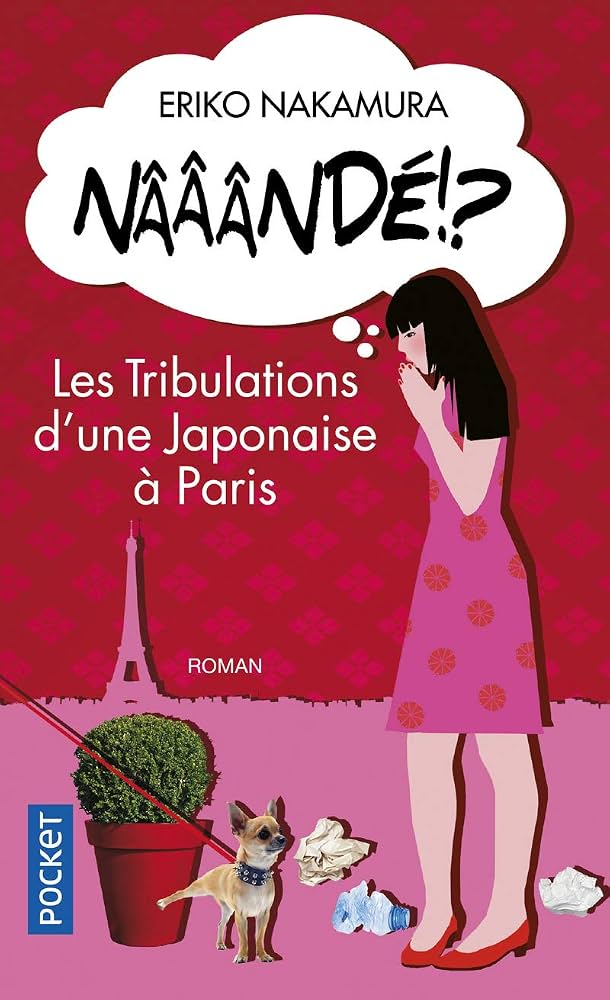
Ever wondered what French life looks like through the eyes of a foreigner? Nââândé, les tribulations d’une Japonaise à Paris offers a humorous perspective on cultural differences, everyday situations, and little surprises that come with living in Paris.
Through the experiences of a Japanese woman navigating French society, you’ll discover some of the quirks of French culture while enjoying an entertaining story…
Why is it a good choice for French learners? Stories about everyday life can help you connect vocabulary with real-world situations. The humorous tone can also make reading in French feel less like studying and more like entertainment, and chapters are short and easy to read while navigating all aspects of French culture and life in Paris (going out, at the doctor’s, getting a taxi, having dinner with French friends, etc).
What you’ll learn: French cultural references, everyday vocabulary, and expressions related to life in Paris.
2. God Save la France
Best for: Learning informal French and British-French cultural humor – level B2
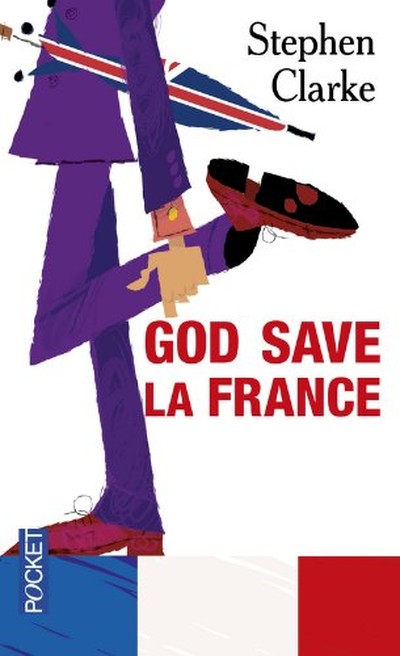
If you enjoy witty observations and cultural misunderstandings, God Save la France is a fun option to add to your reading list.
Written by Stephen Clarke, this humorous novel follows an Englishman living and working in Paris. Through his experiences, the book pokes fun at French habits, workplace culture, bureaucracy, and the differences between British and French ways of life.
One of its biggest advantages for language learners is its lively, conversational style. You’ll encounter informal expressions and get a glimpse of how French society is perceived by an outsider.
Keep in mind that the original novel is written in English, so look for a French translation if your goal is to practice reading in French.
What you’ll learn: Cultural references, conversational language, and vocabulary related to work and everyday life. Note that this book contains lots of informal vocabulary (like slang), so this might be a bit difficult if you’re not at an intermediate level.
3. Pas si fous, ces Français !
Best for: Understanding French habits and cultural differences – level B2-C1
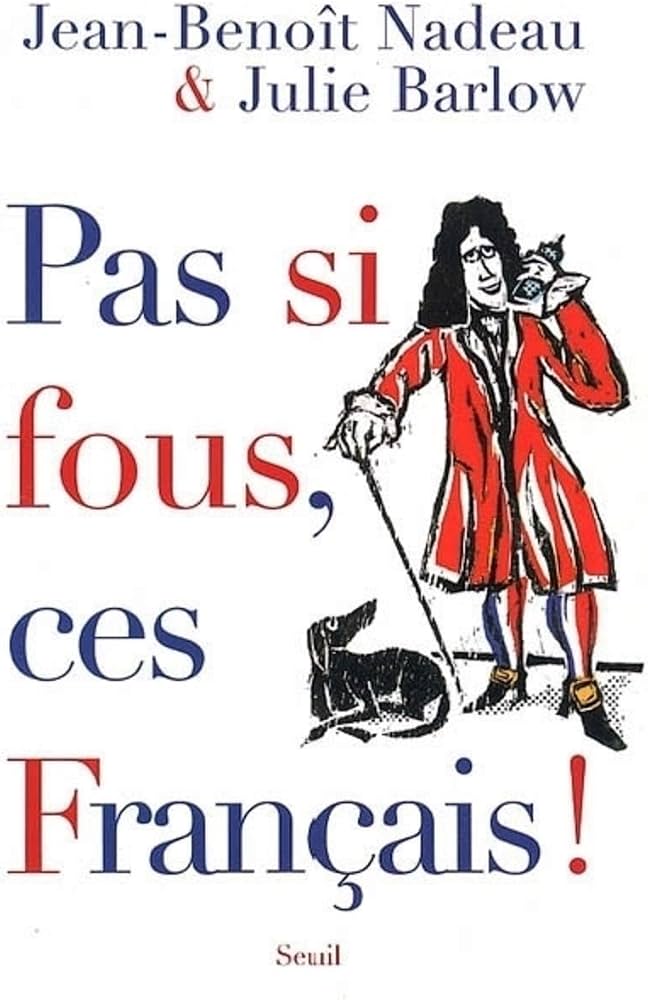
French culture can sometimes seem mysterious to outsiders. Why do the French spend so much time talking about food? Why are certain social conventions so important? And what exactly makes French people tick?
Pas si fous, ces Français ! is a great choice for readers interested in exploring French culture and the habits that shape everyday life in France. It’s written like a sociology study and brings historical and cultural context helping you to understand social references.
As you read, you might even find yourself recognizing some of the cultural observations the next time you visit France or speak with a French person!
What you’ll learn: French customs, social conventions, and vocabulary related to cultural identity.
4. Le Petit Nicolas
Best for: Practicing everyday French through humor – level A2
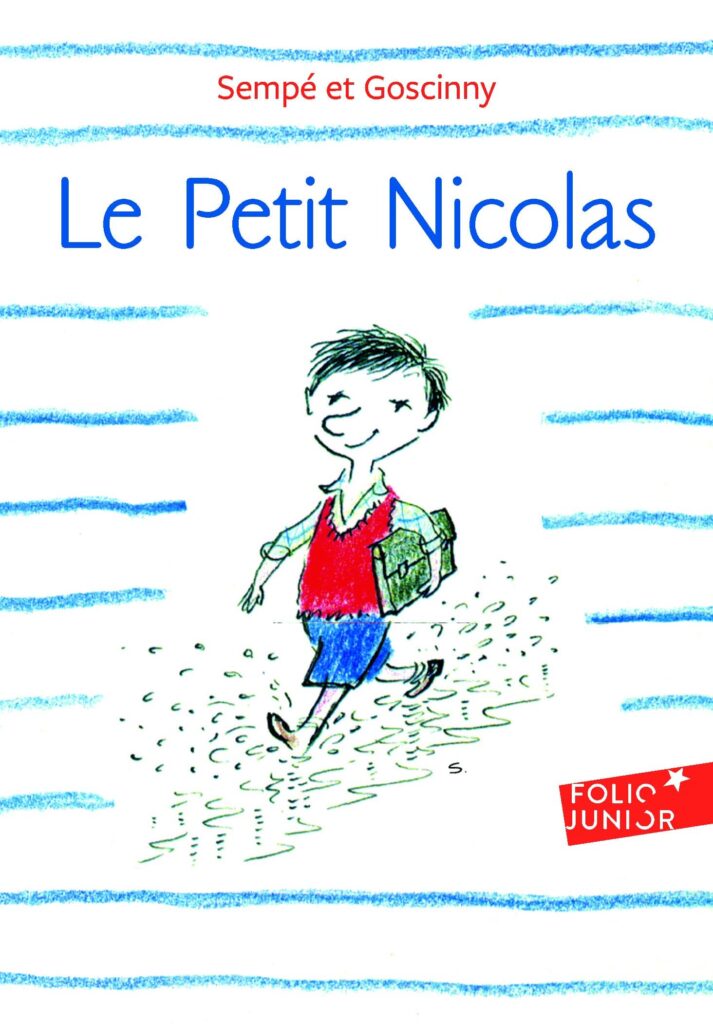
Looking for a fun and approachable French book? Le Petit Nicolas, written by René Goscinny and illustrated by Jean-Jacques Sempé, is a beloved classic that follows the adventures of a young French schoolboy and his friends.
Through Nicolas’s eyes, you’ll go through his school life, family relationships, childhood friendships, and all sorts of funny misunderstandings.
Although the stories were originally written for children, they’re also an excellent resource for adult French learners. The short chapters make it easy to read a little every day, while the dialogue introduces natural expressions and informal language. And since it is narrated from Nicolas’s perspective, the sentences and vocabulary are easy to understand. You can even combine it with the movie.
What you’ll learn: Everyday expressions, informal dialogue, and French humor.
5. Oscar et la dame rose
Best for: Exploring emotions and meaningful vocabulary – level B1
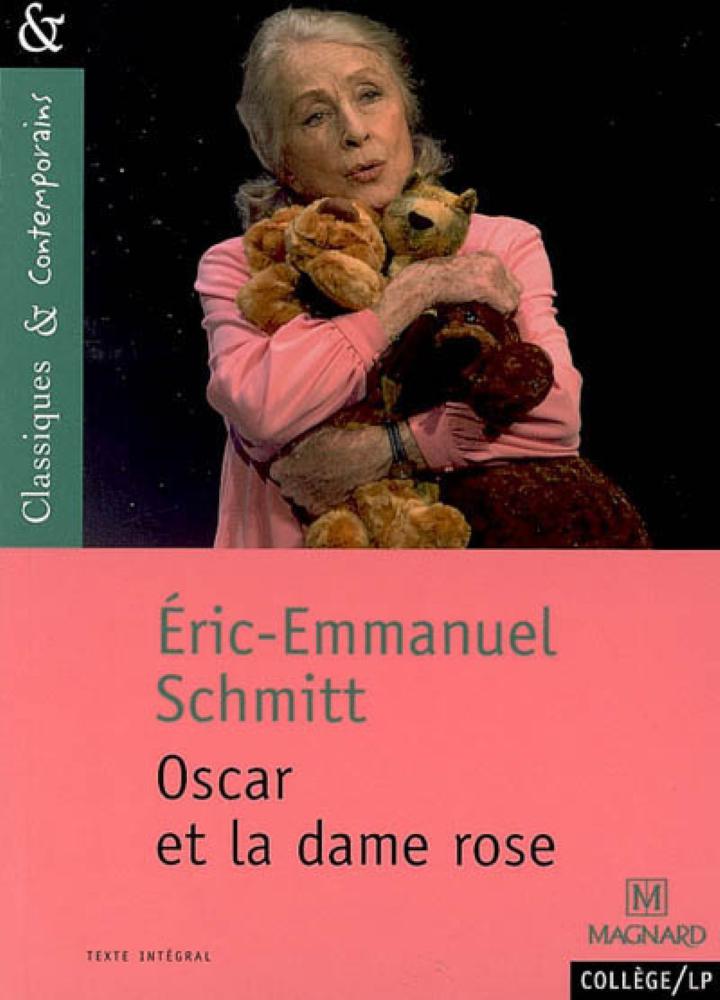
If you prefer books that make you think, Oscar et la dame rose by Éric-Emmanuel Schmitt is a moving novel worth considering.
The story follows Oscar, a young boy in hospital, and his relationship with Mamie-Rose, a volunteer who helps him face difficult questions about life, illness, hope, and love.
Told through Oscar’s letters, the novel uses a relatively direct narrative style to explore complex and emotional themes. Its short format can make it more manageable than a long novel, although some of its vocabulary and ideas may require reflection.
This is also a wonderful opportunity to learn how French expresses feelings, relationships, and philosophical ideas. And just like Le petit Nicolas, you can also combine it with the movie.
What you’ll learn: Vocabulary related to emotions, relationships, life, and personal reflections.
6. Et si les chats disparaissaient du monde
Best for Reflecting on life through a thought-provoking story – level B1
What would you be willing to give up in exchange for one more day of life?
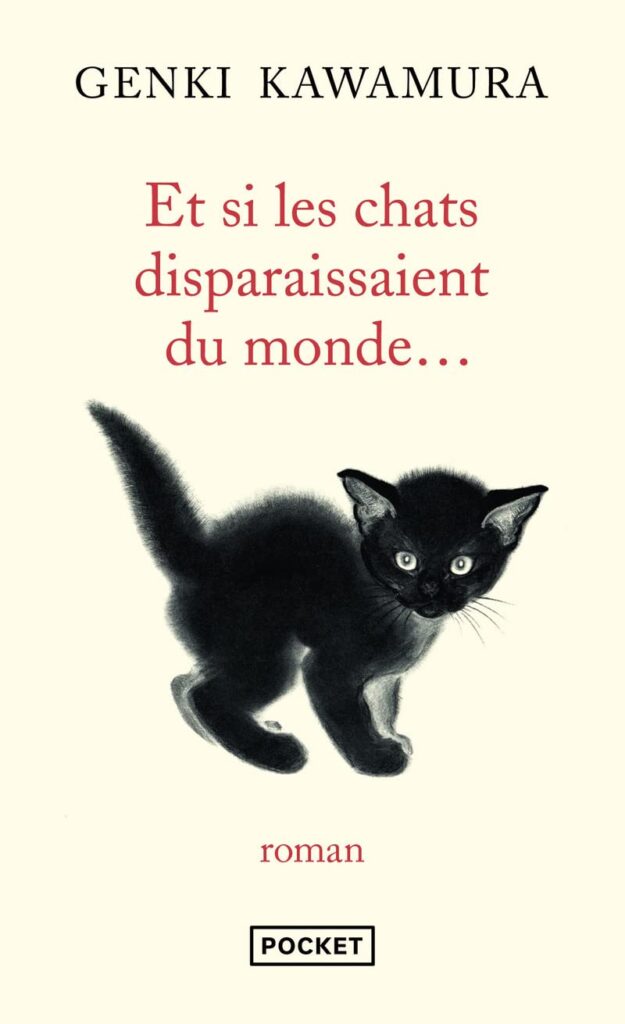
In Et si les chats disparaissaient du monde (also translated deux milliards de battements de coeur), written by Genki Kawamura, a postman discovers that he has little time left to live. He receives an unusual offer: each day he can gain more time by agreeing to make something disappear from the world.
As the story unfolds, he begins to reconsider what really matters, from everyday objects to the relationships that give his life meaning.
The novel is particularly appealing if you are an intermediate learner who enjoys contemporary fiction and stories that raise big questions without requiring a huge commitment. Its accessible premise also gives you plenty to think about as you read.
The original book is Japanese, but the French translation is perfect.
What you’ll learn: Vocabulary related to daily life and relationships.
7. Personne n’y échappera
Best for readers who love suspense and mystery – level B2
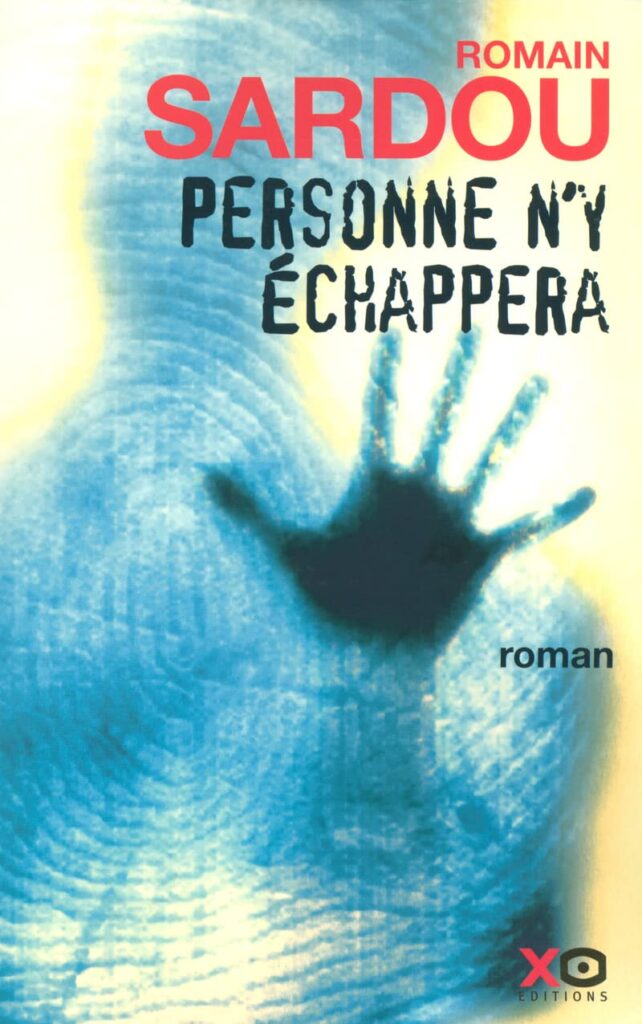
If you enjoy trying to solve a mystery before reaching the final page, Personne n’y échappera could be an interesting addition to your reading list.
Mystery stories are especially engaging because they encourage you to keep reading. Even when you don’t understand every word, clues, character interactions, and the sequence of events can help you follow the plot.
The story unfolds as a series of mysterious events draws the characters into a dangerous investigation. As secrets come to light and the tension builds, the characters must piece together the clues before it’s too late.
As you read, try to make predictions about what will happen next. Pay attention to the expressions characters use when they’re surprised, suspicious, or hiding something.
What you’ll learn: Vocabulary related to investigations, descriptions, emotions and character interactions.
8. Mysterious Stories to Learn French
Best for building confidence with level-appropriate reading
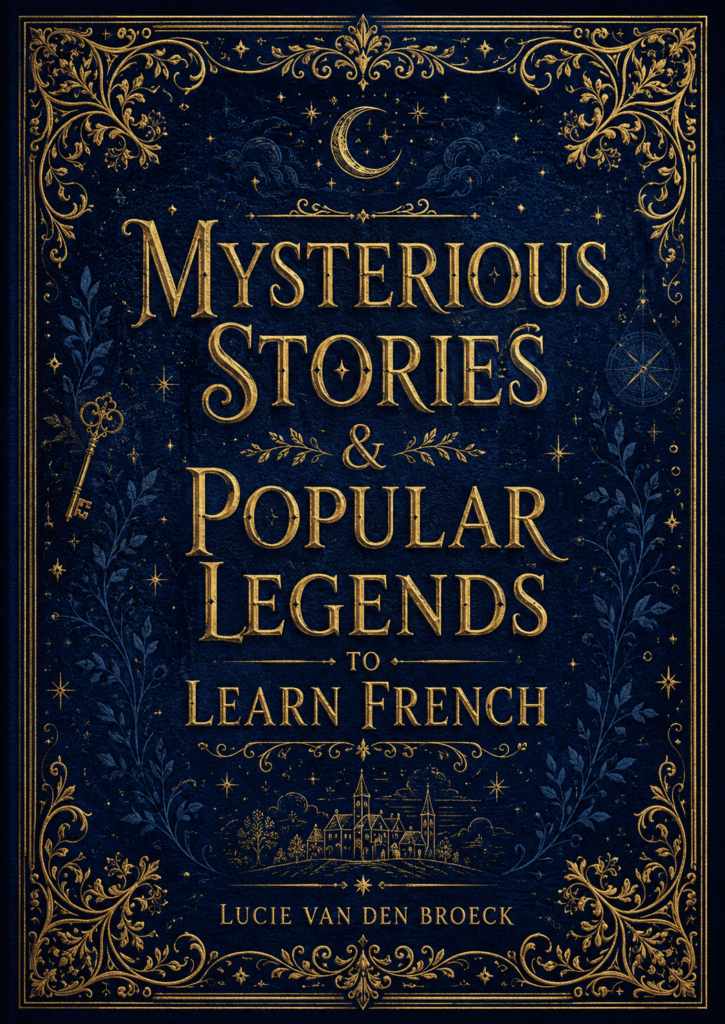
Not quite ready to tackle a full-length French novel? Short stories can be an excellent alternative.
Mysterious Stories to Learn French is a useful option to explore if you’re looking for mystery stories specifically designed for French learners. I wrote it for you!
Here you’ll discover 27 mysterious short stories and legends of three French-speaking countries (France, Belgium, Switzerland) and one French-speaking region (Québec). Each of them are one page and have an English counterpart to make reading easier and smoother. At the end of the book, you’ll also find a glossary with the most important words, the vocabulary you can use in daily life. And last but not least, there’s also an audio recording to support your reading.
What you’ll learn: Reading comprehension, vocabulary in context, and some French expressions.
You can get your copy here: https://academy.yourfrenchcourse.com/b/1I39a
And if these books interest you and you would like to get a glimpse or see an excerpt, you can watch this video:
Last but not least
Reading books in French is one of the most enjoyable ways to make progress beyond the classroom. It allows you to discover new vocabulary, explore French culture, and experience the language in a more natural context… Not sure which book to start with?
Here are a few tips to help you choose:
- Choose a topic you enjoy. If you love humor, start with Le Petit Nicolas or God Save la France in its French translation. If you prefer emotional stories, try Oscar et la dame rose. If you prefer mystery and are up for a little challenge, go for Personne n’y échappera. If you want somewhat easier but still mysterious, you can read Mysterious Stories to Learn French.
- Don’t look up every word. Focus on understanding the overall meaning. Try to understand the story before stopping to translate unfamiliar expressions. Context often provides useful clues. Use a dictionary only when an unfamiliar word is essential to the story or appears repeatedly.
- Take your time. Reading for 10–15 minutes a day is often more sustainable than trying to finish a whole chapter when you’re tired. Consistency matters more than speed. Even 10 minutes of reading can help you build a habit.
- Keep a vocabulary notebook. Write down useful expressions, not just individual words. For example, note how a character expresses surprise, disagreement, or excitement. Make sentences with these words, play with them.
- Read aloud occasionally. This can help you become more familiar with French sentence rhythm, pronunciation, and intonation. You can also check if there is an audio version to help you.
- Choose the right level of difficulty. If you understand the general meaning without translating every sentence, you’re probably working at a productive level. If every paragraph feels overwhelming, try a simpler book.
- Join a French book club. You can also join a French Book Club to help you out. If that appeals to you, you can check it here: https://yourfrenchcourse.com/book-club/
Finally, whether you choose a humorous story, a moving novel, or a gripping mystery, the most important thing is to find a book that makes you want to keep turning the pages.
So, pick a title that catches your attention, grab a cup of coffee or tea, and start reading. Your next French-language adventure is waiting!
Have fun!
Lucie
Check out more about
Follow on social media